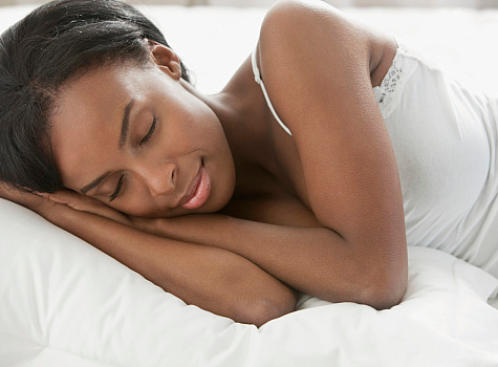
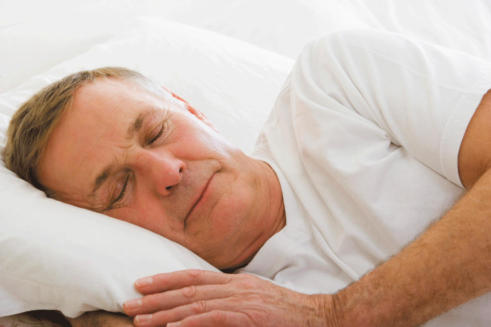

HOW SLEEP IS DIFFERENT FOR
MEN AND WOMEN
A
cup
of
coffee
isn’t
the
only
thing
that
can
cause
your
energy
levels
to
jump
around.
The
other
reason
why
you
feel
wide-awake
at
some
points
of
the
day
and
drowsy
at
others?
Your
circadian
rhythm,
an
internal
clock
that
helps
regulate
the
cycle
of
when
you
feel
sleepy
and
when
you
feel
alert.
In
a
broad
sense,
circadian
rhythms
are
similar
from
person
to
person,
operating
on
roughly
24-hour
cycles.
But
it
turns
out
there
are
some
notable
differences
in
the
sleep/wake
patterns
of
women
and
men,
which
could
explain
why
men
tend to be night owls while women are more apt to be early risers.
Circadian
rhythms
are
controlled
by
an
area
of
the
brain
called
the
hypothalamus.
Other
influences
include
light
(which
sends
a
message
to
your
brain
that
it’s
time
to
wake
up)
and
darkness
(an
indicator
to
your
body
that
it’s
time
to
release
melatonin,
a
hormone
that
helps
you
fall
asleep).
Regular
sleep
patterns—waking
up
and
going
to
bed
at
the
same
time
daily—also
keep
your
circadian
rhythm
functioning
normally,
helping
to
reduce
the
chance of sleep trouble such as insomnia.
What Sex Has to Do with It
Beyond
these
factors,
there’s
another
important
variable
that
influences
your
internal
clock:
sex.
It
turns
out,
male
and
female
circadian
rhythms
don’t
exactly
match
up.
Men’s
clocks
tend
to
run
truer
to
a
full
24-hour
cycle
or
longer
(on
average,
men
have
a
circadian
cycle
that’s
six
minutes
longer
than
for
women
)
meaning
they
may
feel
less
tired
in
the
evening.
In
women,
the
internal
clock
is
more
likely
to
be
shorter
than
a
full
24-hour
cycle,
making
it
more
likely
that
they
will
awaken
earlier,
which
may
also
increase
their
susceptibility to early-waking sleep disturbances like insomnia.
Handling Sleep Cycle Interruptions
While
eight
hours
per
night
on
average
is
ideal
for
both
genders,
it
turns
out
that
men
are
harder
hit
by
periods
of
deprivation.5
Lack
of
sleep
causes
work
performance
to
suffer
more
for
men
than
for
women,
and
men
recover
less
quickly
from
lack
of
sleep
than
women
do.
On
the
other
hand,
women’s
shorter
cycles
mean
they
are
more
likely
to
have
a
dip
in
energy
at
night,
which
could
help
explain
why
there’s
an
increased
risk
of
work-related
injuries
in
female
shift
workers.
Of
course,
it
is
possible
to
learn
how
to
re-
train
your
inner
clock
to
help
you
feel
more
awake
or
sleepy
at
different
parts
of
the
day
depending
on
your
lifestyle
needs.
But
left
to
its
own
devices,
the
body’s
natural
rhythms
make
it
more
likely
that
if
you
are
a
man,
you
will
be
a
night owl, and for women, an early bird.




Even though we have taken all the care for accuracy of facts we highly
recommend you see your doctor for professional advise and diagnosis.
1
2
3
4
5
6
This Website was produced by
CHIROPEDICSA
Bedding company
for your information on the
importance of a good night sleep





HOW SLEEP IS DIFFERENT FOR
MEN AND WOMEN
A
cup
of
coffee
isn’t
the
only
thing
that
can
cause
your
energy
levels
to
jump
around.
The
other
reason
why
you
feel
wide-awake
at
some
points
of
the
day
and
drowsy
at
others?
Your
circadian
rhythm,
an
internal
clock
that
helps
regulate
the
cycle
of
when
you
feel
sleepy
and
when
you
feel
alert.
In
a
broad
sense,
circadian
rhythms
are
similar
from
person
to
person,
operating
on
roughly
24-hour
cycles.
But
it
turns
out
there
are
some
notable
differences
in
the
sleep/wake
patterns
of
women
and
men,
which
could
explain
why
men
tend
to
be
night
owls
while
women
are
more
apt
to
be
early risers.



This Website was produced by
CHIROPEDICSA
Bedding company
for your information on the
importance of a good night sleep
Even though we have taken all the care for accuracy of facts we highly
recommend you see your doctor for professional advise and diagnosis.
1
2
3
4
5
6
How It Works
Circadian
rhythms
are
controlled
by
an
area
of
the
brain
called
the
hypothalamus.
Other
influences
include
light
(which
sends
a
message
to
your
brain
that
it’s
time
to
wake
up)
and
darkness
(an
indicator
to
your
body
that
it’s
time
to
release
melatonin,
a
hormone
that
helps
you
fall
asleep).
Regular
sleep
patterns—waking
up
and
going
to
bed
at
the
same
time
daily—also
keep
your
circadian
rhythm
functioning
normally,
helping
to
reduce
the
chance
of
sleep
trouble such as insomnia.
What Sex Has to Do with It
Beyond
these
factors,
there’s
another
important
variable
that
influences
your
internal
clock:
sex.
It
turns
out,
male
and
female
circadian
rhythms
don’t
exactly
match
up.
Men’s
clocks
tend
to
run
truer
to
a
full
24-hour
cycle
or
longer
(on
average,
men
have
a
circadian
cycle
that’s
six
minutes
longer
than
for
women
)
meaning
they
may
feel
less
tired
in
the
evening.
In
women,
the
internal
clock
is
more
likely
to
be
shorter
than
a
full
24-hour
cycle,
making
it
more
likely
that
they
will
awaken
earlier,
which
may
also
increase
their
susceptibility
to
early-waking
sleep disturbances like insomnia.
Handling Sleep Cycle Interruptions
While
eight
hours
per
night
on
average
is
ideal
for
both
genders,
it
turns
out
that
men
are
harder
hit
by
periods
of
deprivation.5
Lack
of
sleep
causes
work
performance
to
suffer
more
for
men
than
for
women,
and
men
recover
less
quickly
from
lack
of
sleep
than
women
do.
On
the
other
hand,
women’s
shorter
cycles
mean
they
are
more
likely
to
have
a
dip
in
energy
at
night,
which
could
help
explain
why
there’s
an
increased
risk
of
work-related
injuries
in
female
shift
workers.
Of
course,
it
is
possible
to
learn
how
to
re-train
your
inner
clock
to
help
you
feel
more
awake
or
sleepy
at
different
parts
of
the
day
depending
on
your
lifestyle
needs.
But
left
to
its
own
devices,
the
body’s
natural
rhythms
make
it
more
likely
that
if
you
are
a
man,
you
will
be
a
night
owl,
and
for
women,
an
early bird.




HOW SLEEP IS DIFFERENT FOR
MEN AND WOMEN
A
cup
of
coffee
isn’t
the
only
thing
that
can
cause
your
energy
levels
to
jump
around.
The
other
reason
why
you
feel
wide-awake
at
some
points
of
the
day
and
drowsy
at
others?
Your
circadian
rhythm,
an
internal
clock
that
helps
regulate
the
cycle
of
when
you
feel
sleepy
and
when
you
feel
alert.
In
a
broad
sense,
circadian
rhythms
are
similar
from
person
to
person,
operating
on
roughly
24-hour
cycles.
But
it
turns
out
there
are
some
notable
differences
in
the
sleep/wake
patterns
of
women
and
men,
which
could
explain
why
men
tend
to
be
night
owls
while
women
are
more
apt
to
be
early risers.



This Website was produced by
CHIROPEDICSA
Bedding company
for your information on the
importance of a good night sleep
Even though we have taken all the care for accuracy of facts we highly
recommend you see your doctor for professional advise and diagnosis.
1
2
3
4
5
6
How It Works
Circadian
rhythms
are
controlled
by
an
area
of
the
brain
called
the
hypothalamus.
Other
influences
include
light
(which
sends
a
message
to
your
brain
that
it’s
time
to
wake
up)
and
darkness
(an
indicator
to
your
body
that
it’s
time
to
release
melatonin,
a
hormone
that
helps
you
fall
asleep).
Regular
sleep
patterns—waking
up
and
going
to
bed
at
the
same
time
daily—also
keep
your
circadian
rhythm
functioning
normally,
helping
to
reduce
the
chance
of
sleep
trouble such as insomnia.
What Sex Has to Do with It
Beyond
these
factors,
there’s
another
important
variable
that
influences
your
internal
clock:
sex.
It
turns
out,
male
and
female
circadian
rhythms
don’t
exactly
match
up.
Men’s
clocks
tend
to
run
truer
to
a
full
24-hour
cycle
or
longer
(on
average,
men
have
a
circadian
cycle
that’s
six
minutes
longer
than
for
women
)
meaning
they
may
feel
less
tired
in
the
evening.
In
women,
the
internal
clock
is
more
likely
to
be
shorter
than
a
full
24-hour
cycle,
making
it
more
likely
that
they
will
awaken
earlier,
which
may
also
increase
their
susceptibility
to
early-waking
sleep disturbances like insomnia.
Handling Sleep Cycle Interruptions
While
eight
hours
per
night
on
average
is
ideal
for
both
genders,
it
turns
out
that
men
are
harder
hit
by
periods
of
deprivation.5
Lack
of
sleep
causes
work
performance
to
suffer
more
for
men
than
for
women,
and
men
recover
less
quickly
from
lack
of
sleep
than
women
do.
On
the
other
hand,
women’s
shorter
cycles
mean
they
are
more
likely
to
have
a
dip
in
energy
at
night,
which
could
help
explain
why
there’s
an
increased
risk
of
work-related
injuries
in
female
shift
workers.
Of
course,
it
is
possible
to
learn
how
to
re-train
your
inner
clock
to
help
you
feel
more
awake
or
sleepy
at
different
parts
of
the
day
depending
on
your
lifestyle
needs.
But
left
to
its
own
devices,
the
body’s
natural
rhythms
make
it
more
likely
that
if
you
are
a
man,
you
will
be
a
night
owl,
and
for
women,
an
early bird.